
Solar Installations in and Around Chaffee County
Whether you're building new or retrofitting an existing structure, whether it's a residence or a commercial operation—we've got you covered.
Every property is different, and so is every system.
We design and install two broad categories of solar: grid-tied systems that work alongside your utility, and off-grid systems that stand alone. Within each, there are choices about how much you generate and how much you store.
Most properties with reliable utility service are best served by a grid-tied system. If you're building somewhere without power lines, or you want complete independence, off-grid is the way to go. Not sure? We'll help you figure it out.
Here's how they break down:
Grid-Tied Systems
A grid-tied system stays connected to your utility. You draw power from the grid when you need it and send excess back when you don't. It's the most common setup for homes and businesses with reliable utility service, and it's typically the lowest upfront cost.
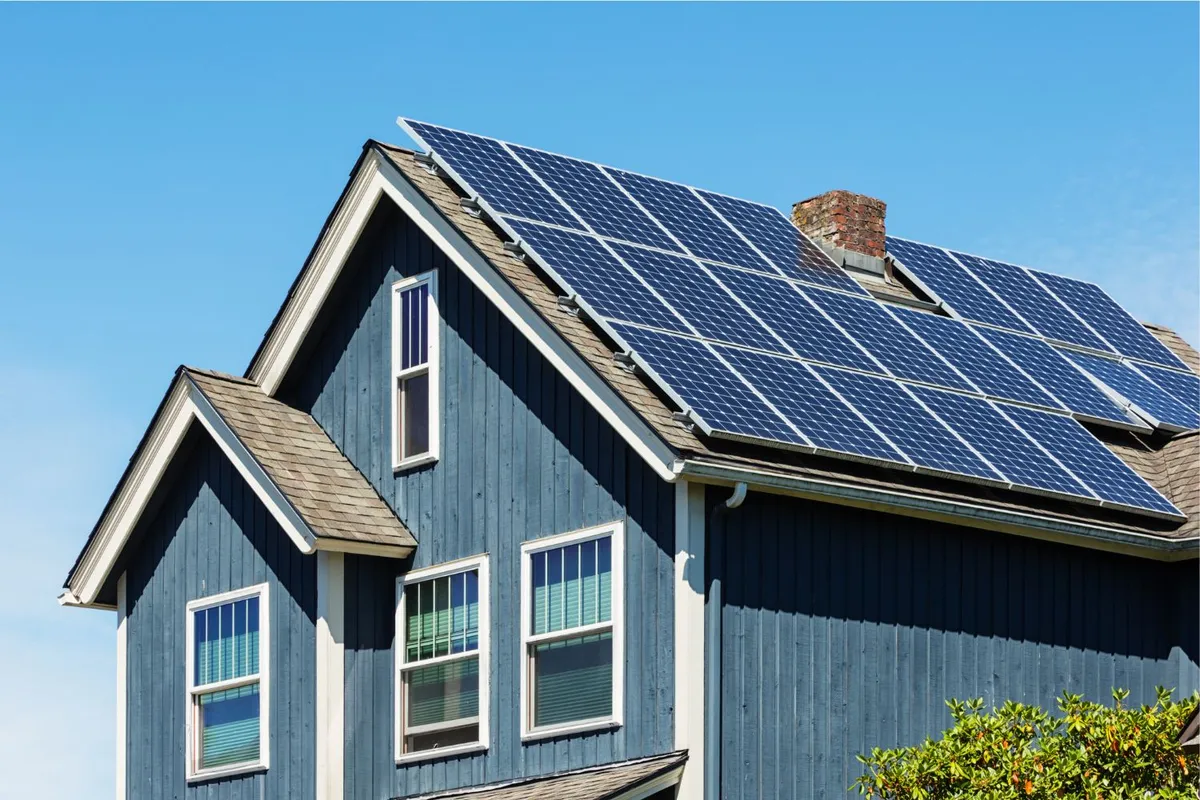
Your Options Within Grid-Tied:
Solar Only
Panels on your roof or property, no battery. You generate during the day, pull from the grid at night, and offset your usage through net metering or similar programs. Best for properties with stable grid power and no need for backup.
Battery Only
No panels—just storage. You charge the battery from the grid when rates are low and use it when rates are high, or keep it charged for outages. Useful for time-of-use rate management or backup without the commitment of a full solar array.
Solar + Battery
You generate your own power during the day, store what you don't use, and draw from the battery at night or during an outage. The most flexible option for grid-tied properties—it reduces your bill and keeps the lights on when the grid goes down.
Off-Grid Systems
An off-grid system has no utility connection at all. It has to generate everything you use and store enough to get through cloudy stretches and long nights. That means three components working together, always: solar, battery, and a generator.
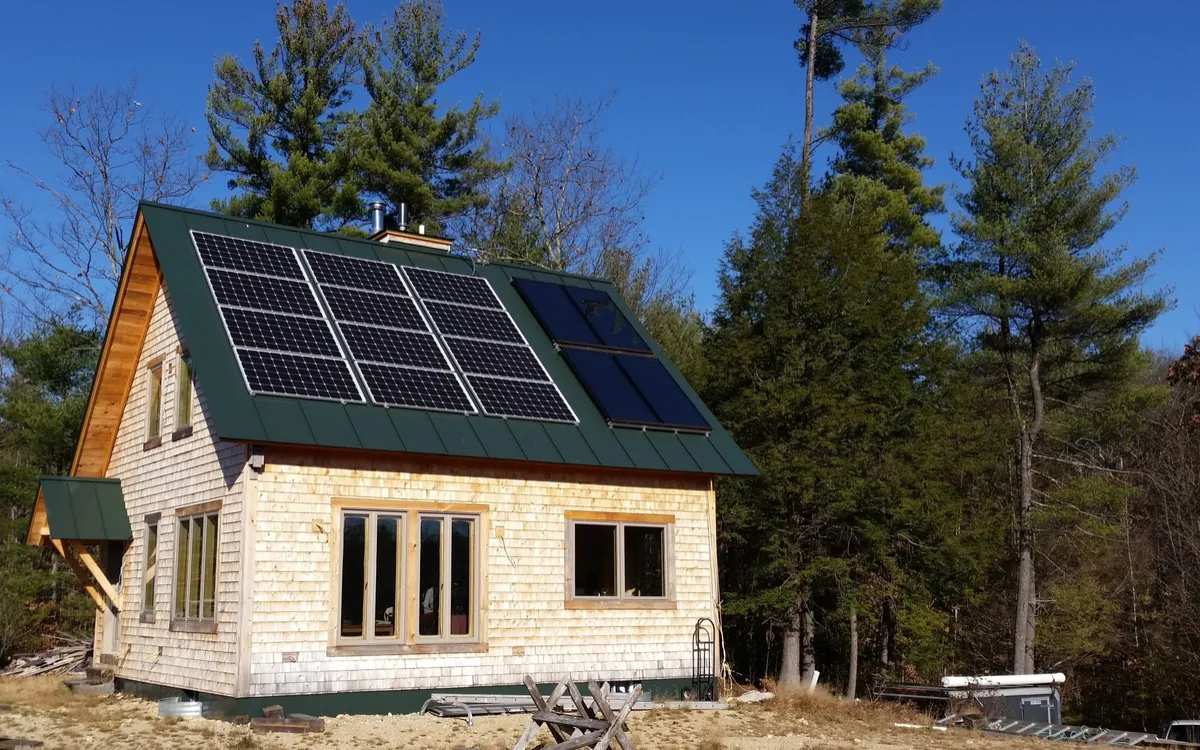

How the Three Work Together
Solar generates power during daylight hours and charges the battery.
Battery stores that power for nighttime and cloudy days. It's sized to carry you through the longest stretch of low production your location typically sees.
Generator provides backup when the battery runs low—during extended bad weather, high-demand periods, or any time production falls short. It's not the primary power source; it's the safety net that makes off-grid living practical year-round.
Off-grid systems are engineered around your actual usage, your location, and how much redundancy you want. They cost more upfront than grid-tied, but they deliver complete independence from the utility.
Not sure which setup fits your property?
We'll walk you through the pros and cons and design a system around how you actually use power.
©Peak Solar Designs 2026. All rights reserved.
Privacy Policy · Terms of Use · Website Design by Elevating Expertise